
Blog

All Rancho Mirage Group Dealer Automotive News indiGO Auto Group indiGO Auto Group News BMW Ferrari Audi indiGO Auto Group Service Rolls-Royce indiGO Auto Group Events Porsche Volkswagen Bentley Lamborghini Rancho Mirage Group Service Rimac Nevera Aston Martin Bentley Events McLaren Lamborghini - Houston Events Rimac Bugatti Jaguar Land Rover BMW Events Porsche - Rancho Mirage Events
Best Electric Vehicles - Porsche Taycan for Sale

Audi, Porsche, and VW Have Three of the Best EVs on the Market

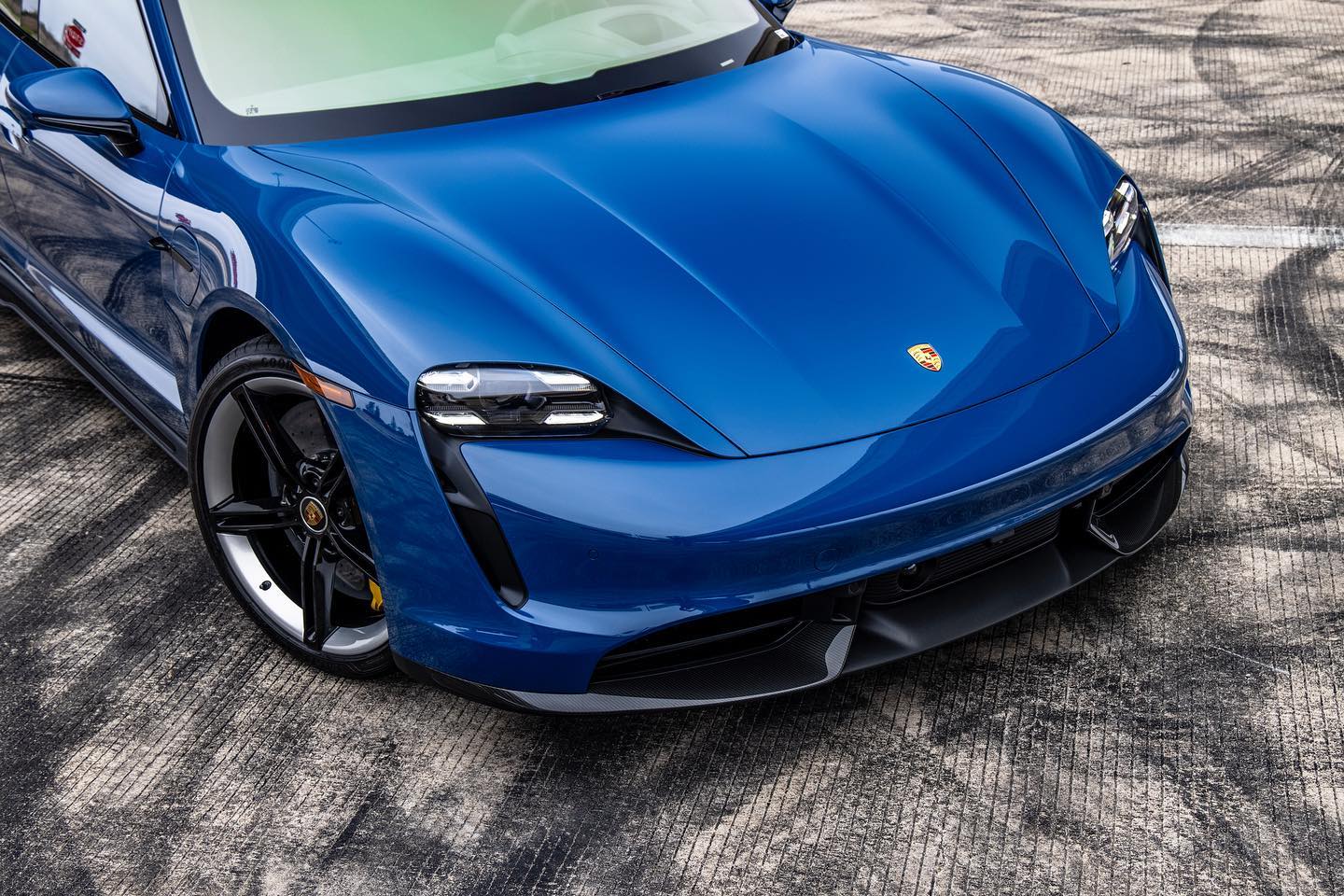
Check Out What Makes Audi, Porsche, and VW the Best EVs! The dawning of the new era of “green” cars is upon us. Hybrids are still going strong, providing higher fuel efficiency along with the perceived safety of gasoline as a backup fuel source. But electric vehicles are not what they used to be and have moved firmly into center stage in 2021. That's why we're exploring the best EVs on the market. Once seen as almost a joke in the automotive industry thanks to their former limited range and long-and-drawn-out charging sessions, among other issues, EVs are coming into their own with a new level of performance and speed. With a growing network of lighting quick “super chargers” that can have you back on the road in a matter of minutes (not hours) “range fear” is becoming a thing of the past. According to Forbes magazine, the International Energy Association (IEA) states that electric cars’ worldwide sales topped 2.1 million by last year “While that still only represents 2.6% of global car sales, the trajectory is clear: in 2010, EVs accounted for less than 17,000 cars on the world stage,” according to Forbes.  “But (now), the number increased to 7.2 million.” more Forbes lists three of our favorite luxury electric vehicles as the best in the industry. Let’s take a look at these magnificent beasts, which are not only fun to drive but good for your pocketbook - in terms of fuel costs and savings on maintenance - and good for the planet. Audi e-tron Best EVs - Audi e-tron Audi is known for being cool and understated in the world of luxury automobiles and the e-tron is no exception. Power is provided by two electric motors, one front and one rear, for a total output of 414 pound-feet of torque - or 490 in boost mode - enough to get it 60 mph in a tidy 5.5 seconds. A 95.3-kWh battery provides 208 miles of range. Because it’s an Audi, quattro all-wheel drive is standard, and the interior displays the brand’s trademark Teutonic style and ergonomics. The EPA says combined mileage is 78 MPGe. The interior allows plenty of room for five adults. This fully electric four-seater is also quick and responsive thanks to a similar twin motor system and two-speed transmission. The RS version can deploy an overboost 637bhp (power is normally 590bhp) to deliver an astonishingly fast zero-to-60 of 3.1 seconds. Top speed is 155 mph. Like the sleek e-tron SUV, the four-seater is part of an initial wave of battery-electric vehicles planned by parent Volkswagen Group. The e-tron is built on a new EV-specific platform that incorporates components from the group's existing SUV architectures. Both feature two electric motors making a combined 355 hp and 413 lb-ft of torque. And Motortrend says it’s one of the fastest accelerating electric cars they tested. Even the SUV did 0-60 mph in 5.1 seconds. Range is estimated at just 204 miles by the EPA. The e-tron doesn’t drive like your typical electric car. In fact, it drives like just any other Audi thanks to state-of-the-art drive technology. With its electric motor powering each axle, the all-wheel drive Q4 e-tron creates an impressive 300 horsepower that can get you from zero-to-60 in 6.3 seconds. The interior showcases Audi's state-of-the-art technology, including a digital gauge display that is standard in all models as well as a large infotainment touchscreen angled toward the driver. The four-seater includes front and rear bucket seats with faux-suede upholstery and e-tron branded detailing. You enjoy latest the version of Audi’s MMI system with two displays in the center, including an upper screen with navigation, media controls, and smartphone connections as well as a lower screen with climate controls and a writing tablet. And there are various ways to save.  Some states offer a $7,500 tax credit along with other financial incentives on electric vehicles that can help lower the total ownership cost of the e-tron®. Porsche Taycan Best EVs - Porsche Taycan   Porsche’s first all-electric production vehicle, the Taycan is grabbing massive attention worldwide. And for good reason. The Taycan is high performing and fast, thanks to a pair of powerful electric motors powering all four wheels. And, the Taycan comes in four peak output levels: Forbes notes that the  4S is rated at 522 horsepower or 563 with the larger battery; the Turbo is rated for 670 horsepower and the Turbo S at 750 horsepower.  On top of that the Taycan is the first EV production car to employ a two-speed transmission. The Porsche Taycan Turbo S set a new quarter-mile record for electric cars in Motortrend magazine’s tests. It also came in near the top for zero to 60 with a time of 2.4 seconds. The Taycan is Porsche’s first-ever fully electric vehicle. The four-door sports car starts at $150,900, while the more powerful Turbo S version comes in closer to $185,000. The Turbo S version of the dual-motor Taycan boasts a staggering top speed of 162 mph. The Taycan also provides a range of about 250 miles and you can make multiple high speed runs without a significant loss in performance. It also offers engaging handling and some of the most legendary engineering in the world of sportscars. (What else would you expect from a Porsche)? And it’s got plenty of pep. The Taycan drives like a Porsche sports car in a way that sets it apart from other luxury electric cars. The 4S base model comes standard with a lower-capacity 79.2-kWh battery - although the 93.2-kWh pack is still available.  All models have dual electric motors, with one powering the front wheels and the other powering the rear. Inside the tech-filled interior, the look is sleek and sophisticated but never overstated. You can fill it with a range of optional luxurious materials and rich color schemes and choose massaging front seats, four-zone climate control, a heated steering wheel, and heated rear seats, among many other options. The 2+2 seating is optional but you can add a third seat in the back. Modern, technologically advanced yet classic Porsche. Did we mention it’s fast? Additionally, Taycan's charging system is recalibrated to better preserve the battery's service life and limit overall power loss during fast charging.  A curved 16.8-inch display for the gauges and two centrally located touchscreens help you control the state-of-the-art infotainment system, including Apple CarPlay. Volkswagen ID.4 Best EVs - VW ID4   Volkswagen has always been ahead of the others when it comes to electric cars (remember 2014’s e-Golf?). The new 2021 Volkswagen ID.4 was designed and engineered as an EV and based on VW’s MEB platform for EVs, and the ID.4 boasts an impressive range of 250 miles. It’s currently rear-wheel drive, but an all-wheel drive version is expected soon. Bonus: When you buy an ID.4 in the United States you will three years of unlimited charging at Electrify America’s charging stations at no additional cost. The Volkswagen ID.4 gives you access to the mobility you crave, in a way that is fun, functional and within reach. Starting at $39,995, the ID.4 will transform your everyday driving experience. With the clean lines and aerodynamic design you expect from the new generation of VWs it’s an electric SUV that fits seamlessly into your daily drive or vacation travel. Inside, there’s plenty of room so that you and your passengers can relax and enjoy the journey. And you don’t have to worry about losing charge: The ID.4 can drive up to 250 miles between charges. You can choose from Pro and 1st Edition trims - with a base model launching sometime next year. Upgrade to the Statement package and you get a larger 12.0-inch infotainment display, a panoramic sunroof, a power-operated rear liftgate and 20-inch wheels, among other features. The rear-mounted motor produces 201 horsepower while the dual-motor all-wheel drive model will offer 302 hp. Camping or fishing? You’ll love that the towing capacity is a whopping 2700 pounds. And there’s regenerative braking that helps recapture energy when you slow down. The ID.4 will get you from zero to 60 in a crisp 7.6 seconds and reach a top speed of 99 mph. And you’ll love it’s smooth and comfortable ride as well as the quiet cabin. All you have to do is charge and go! Other things to love about the ID.4: The battery pack holds enough electricity to power the SUV up t 250 miles between charges; The battery can be charged at home on 110- or 240-volt connections, of course, but is also capable of DC fast charging; The EPA rates the ID.4's fuel economy at 104 MPGe city and 89 MPGe highway; The interior offers contemporary design with high-tech features, ambient lighting and lots of cargo space. Want to see more of the best EVs? Check out our inventory below: Electric Vehicle Inventory
Fastest Electric Vehicles

Fastest Electric Cars: A New Generation of Electric Cars are Surprisingly Fast

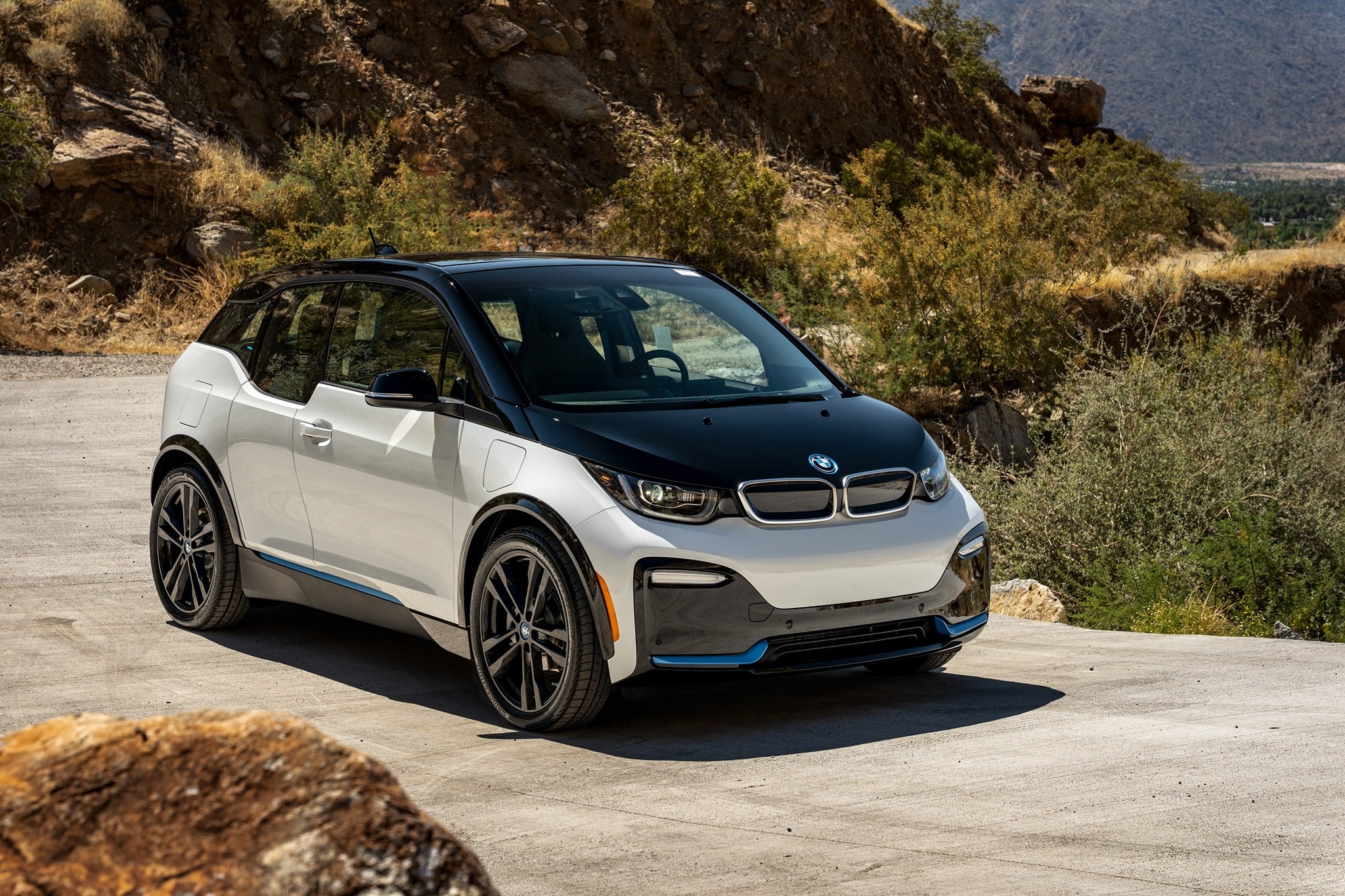
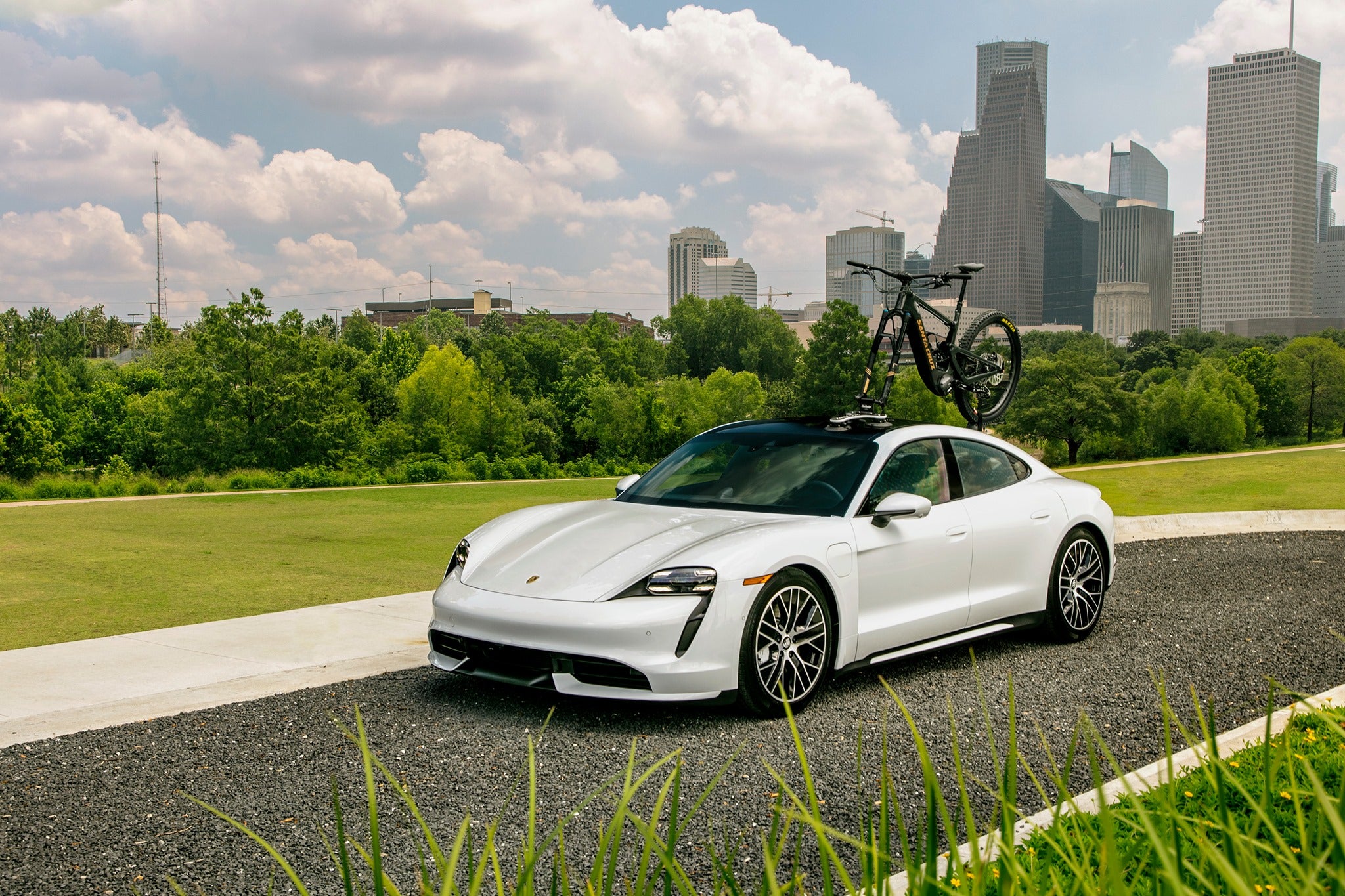
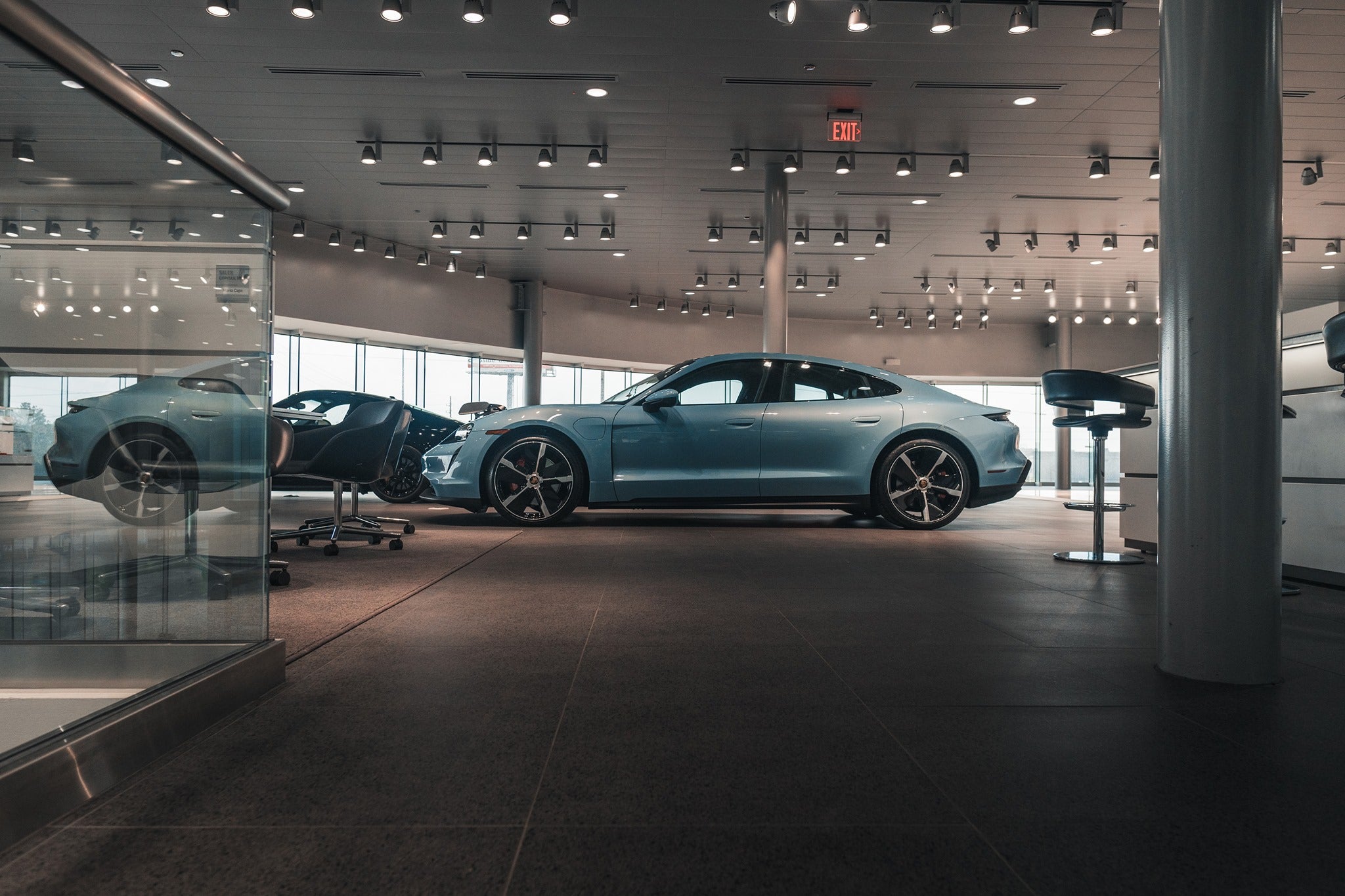
There’s many good reasons to buy an electric luxury car in 2021 – and now speed is one of them. Explore some of the fastest electric cars with us. Electric cars are not what they used to be and there’s many good reasons to buy one. Among other things, they are good for the environment and easy on the pocketbook in terms of fuel costs. A list of the fastest electric cars? Yes, now you can add speed to your list of reasons to own an electric car - at least when it comes to certain models. When battery powered vehicles first came on the scene 20 years ago, some people only half-jokingly compared them to golf carts. They were all about efficiency and less about performance. (And some still are that way). But today’s EVs are much more advanced – especially once you look at the luxury category. In fact, we are now in an exciting new era of the EV sports cars and SUVs and their electric-propulsion systems provide impressive zero-to-60-mph times and instant torque. While many EVs still don’t offer acceleration and top speeds comparable to gas-powered cars, here’s a list of some some of the fastest electric cars that do: Porsche Taycan There's more than a reason as to why the Taycan made it to the top of our fastest electric cars list. The Porsche Taycan Turbo S set a new quarter-mile record for electric cars in Motortrend magazine’s tests. It also came in near the top for zero to 60 with a time of 2.4 seconds. The Taycan is Porsche’s first-ever fully electric vehicle. The four-door sports car that starts at $150,900, while the more powerful Turbo S version comes in closer to $185,000. The Turbo S version of the dual-motor Taycan boasts 750 horsepower with a staggering top speed of 162 mph. The Taycan also gives you a range of about 250 miles, engaging handling and some of the most legendary engineering in the world of sportscars. All models have dual electric motors, with one powering the front wheels and the other powering the rear. Inside the tech-filled interior, the look is sleek and sophisticated but never overstated. You can fill it with a range of optional luxurious materials and rich color schemes and choose massaging front seats, four-zone climate control, a heated steering wheel, and heated rear seats, among many other options. The Taycan battery operates by means of pouch cells, chemically optimized for maximum performance with a long range. The battery is also based on 800-volt technology instead of the usual 400 volts with the effecting being improved charging and drive performance with smaller cable cross-sections that reduce overall weight. The Taycan's charging system is recalibrated to better preserve the battery's service life and limit overall power loss during fast charging. The 4S comes with a 522-hp powertrain, 19-inch wheels, an adaptive air suspension, a partial leather interior, and keyless entry. Audi e-tron GT This fully electric four-seater is also quick and responsive thanks to a similar twin motor system and two-speed transmission. The RS version can deploy an overboost 637bhp (power is normally 590bhp) to deliver an astonishingly fast zero-to-60 of 3.1 seconds. Top speed is 155 mph. Like the sleek e-tron SUV, the four-seater is part of an initial wave of battery-electric vehicles planned by parent Volkswagen Group. The e-tron is built on a new EV-specific platform that incorporates components from the group's existing SUV architectures. Both feature two electric motors making a combined 355 hp and 413 lb-ft of torque. And Motortrend says it’s one of the fastest accelerating electric cars they tested. Even the SUV did 0-60 mph in 5.1 seconds. Range is estimated at just 204 miles by the EPA. The e-tron doesn’t drive like your typical electric car. In fact, it drives like just about any other Audi thanks to state-of-the-art drive technology. With its electric motor powering each axle, the all-wheel drive Q4 e-tron creates an impressive 300 horsepower that can get you from zero-to-60 in 6.3 seconds. The interior showcases Audi's state-of-the-art technology, including a digital gauge display that is standard in all models as well as a large infotainment touchscreen angled toward the driver. BMW i3 With a tight turning radius and quick acceleration – zero to 60 in 6.6 seconds – and a “green” interior that includes environmentally friendly eucalyptus wood, the i3 is also nothing to sniff at when it comes to speed and performance.  It’s a progressive and unconventional fully electric sedan. With high-capacity batteries that can be fully charged in under six hours, the BMW i3 and i3s are perfect compact sedans for daily commutes and road trips. Starting at $45,445, the i3 is more fun to drive than most electric cars thanks to a one-speed direct-drive transmission. The i3 is a quick ride that will hit a top speed of 93 mph. And it features a beautifully crafted and open-feeling interior made from recycled materials, and rear side doors are hinged at the back - opening opposite the front doors.  The BMW i Wallbox offers faster charging at home: Up to 80 percent state of charge in 5 hours of charging. Public charging is powered by EVgo: Up to 80 percent state of charge in 40 minutes or less of charging. Jaguar I-PACE Jaguar's electric crossover is as good looking as it is fun – and peppy – to drive. This stylish crossover has standard all-wheel drive and produces 394 hp and 512 lb-ft of torque. It also offers precise steering fast acceleration – zero to 60 in just 4. 5 seconds – and a not-too-shabby top speed of 155 mph. Range is an impressive 292 miles thanks to its 90kWh battery. The I-Pace offers more than outstanding performance and range. It features two Jaguar-designed electric motors at each axle, producing exceptional combined performance of 400PS and 696Nm, aluminum construction and a low center of gravity. The I-PACE provides an unmatched balance of all-wheel drive performance, refinement, luxury and agility. And best of all Jaguar Partners with home-charging providers all over the world, making charging your car as easy as charging your phone. Make sure you consider Jaguar, when looking for your pick from the fastest electric vehicles. Aston Martin Rapide E With an estimated MSRP of $255,000 this is one of the most expensive EV’s coming on the market with a limited production run of just 155 vehicles. The Rapide E features an 800-volt electric battery that powers its twin motors to produce over 600 horsepower, according to Aston Martin. The Rapide has a range of over 200 miles and it can fully charge in three hours. The fully electric car also has a “sub-4.0 second 0-60 mph time,” the company said. According to the Driving.ca website the sleek four-door will come with a twin-electric-motor drivetrain delivering 610 horsepower and 700 lb-ft of torque. “The units – which sit in the engine bay where the 6.0-litre V12 and transmission used to live, to maintain weight balance – can rocket the car to 250 km/h, and to 100 km/h from zero in less than four seconds. Accelerating from 80 km/h to 110 km/h takes less than 1.5 seconds,” according to the website. The car will not only perform like a gas-powered Rapide S but it will handle just like one too thanks to a limited-slip differential and a suspension system controlled in part by integrated software. You simply plug in your Rapid E to a 400- volt 50-kW charger to charge it to 300 km of range in an hour. But speed and luxury are just a few of the benefits of buying electric in the coming years. Here are some other reasons you might consider taking the plunge: EVs are better for the environment because are responsible for fewer greenhouse-gas emissions than gas vehicles. They can save you money because they are becoming more affordable in general. They also save you on fuel costs because you spend zero on gasoline as well as maintenance. There’s also a ton of tax incentives and rebates offered on electric vehicles. To see if a vehicle qualifies for federal tax credits (up to $7,500) and for how much, you can check out the EPA site. For state incentives you can check out Plug In America. You don’t have to worry about range any more. Today, many vehicles offer 200+ miles of range, meaning a typical driver will be OK for the day. And in the US as of April 2021 there were more than 22,000 public charging stations. Want to see more of the fastest electric cars? Check out our inventory below: Electric Vehicle Inventory
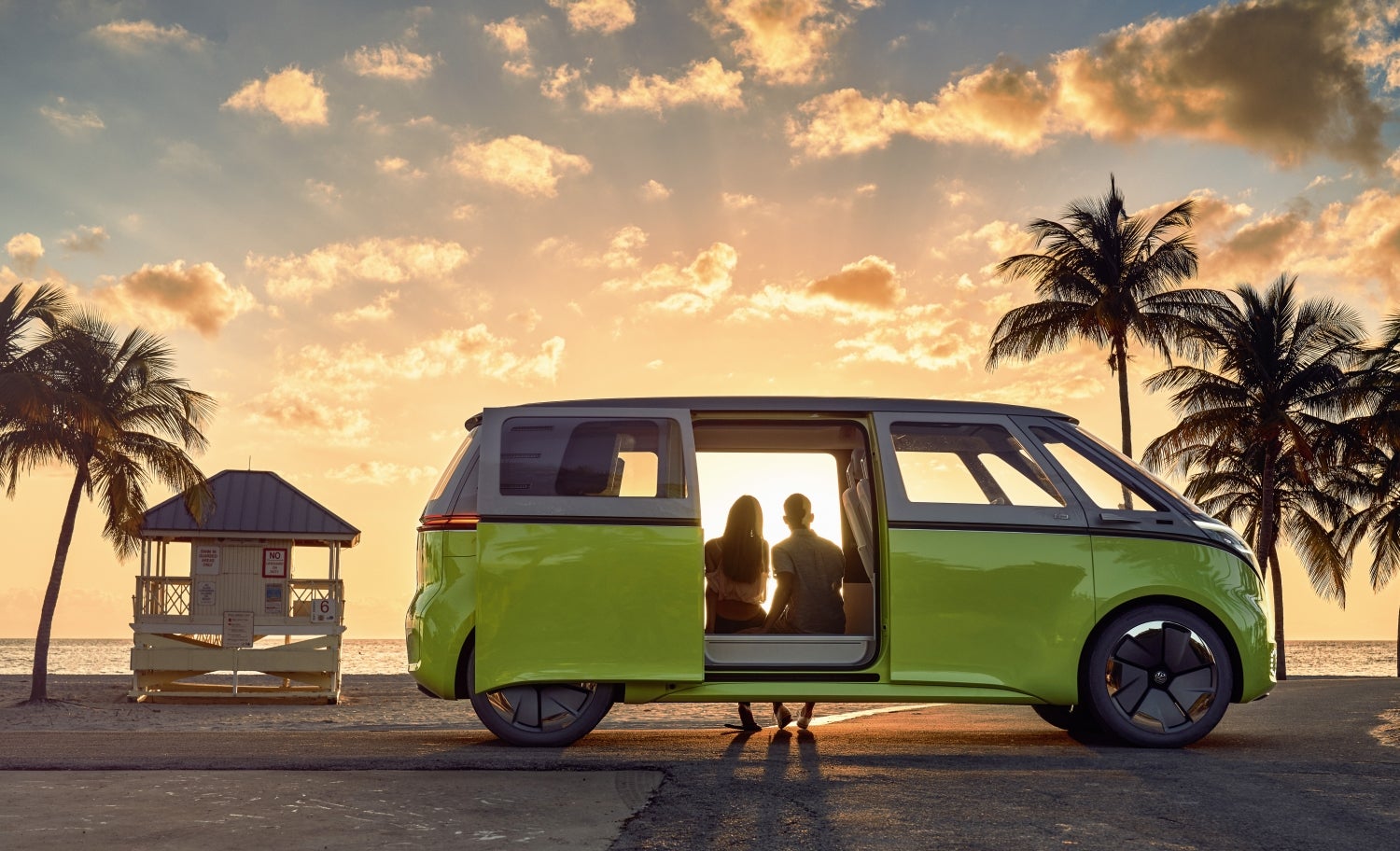
VW ID.BUZZ with Surfer

From People’s “Wagon” to Hippie Bus and Now Fully Electric, the VW Microbus ID.Buzz is Poised to Change the Automotive World Yet Again

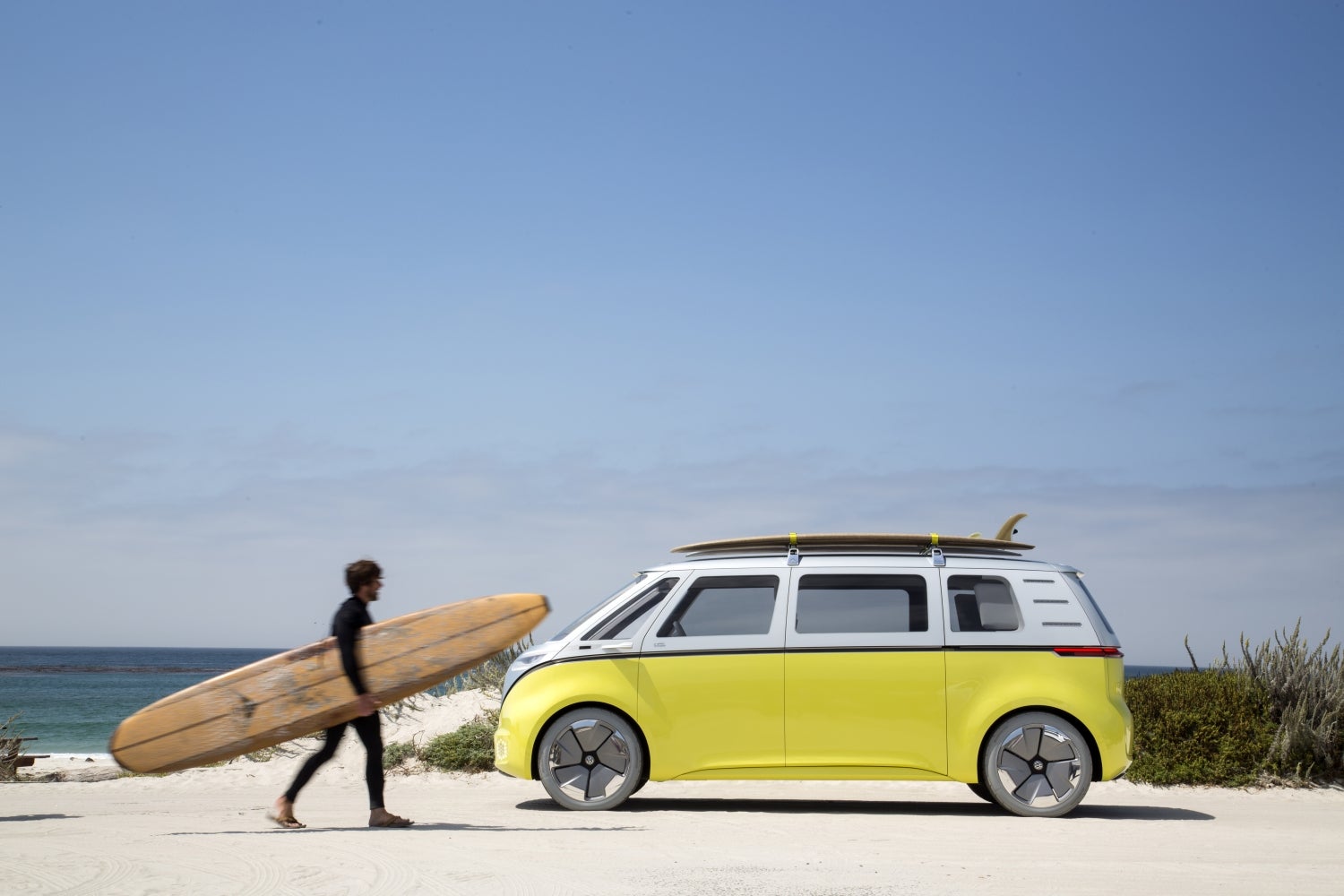
As VW Gets Ready to Introduce the 7 th Generation of its Iconic Microbus - the ID. Buzz We'll Take a Look at its Rich History It’s an iconic symbol of an entire generation, right up there with bellbottoms, peace signs and daisies. In the 1960s, much like LSD and psychedelic rock, the Volkswagen Bus became a symbol of the counterculture and a means for helping the younger generation “turn on, tune in and drop out” as Harvard psychologist Timothy Leary so aptly put it. Hippies loved their microbuses and painted them with peace signs, swirling colors and flowers. As they rolled into protests, rock concerts, be ins and love ins, these rolling works of became symbols of the anti-establishment. more Volkswagen started manufacturing the Microbus in 1950. Known as Type 2, the Microbus was a close cousin of the VW Beetle, which was named Type 1. After World War 2, the German automaker was looking to expand its product line by creating a vehicle that would capture the attention of the car buying public. It was, in essence, the first van or minivan because before the microbus, people had used only large cars, trucks and buses to haul around people and cargo. Last year, the VW Microbus marked its 70th anniversary as both an iconic vehicle and as a durable mode of transportation. (Motor Trend Magazine) The microbus design was actually created by Ben Pon, a Dutch importer of VW Beetles, according to Motor Biscuit website. He designed the bus in 1947 after a visit to the Volkswagen plant where he saw a flatbed parts-hauler that was made from a Type 1 chassis. It took a few years for the company to roll out the new vehicle but eventually the first VW Type 2 bus went into production in 1950.  That year, VW made just 9,500 buses, which sold quickly. At the time two versions were offered: the Kombi, with side windows and removable middle and rear seats, and the window-lacking Commercial, essentially the first known panel van. The VW bus was promoted for work and play but VW stopped short of calling it a bus or a van, instead using the term “station wagon” in marketing for better mass appeal. Consumers loved that the little VW bus could move kids and cargo, employees and camping gear. They also loved that it was easy to operate and maintain, providing a cost-effective alternative to the ever-popular station wagon. People soon started customizing the vans into “campers” with beds and sinks. WV took note of the customizing craze and teamed up with Westfalia, a German company known for building carts and wagons, to make camper conversion kits. The first VW Westfalia campers were exported to the United States in 1956. As the revolution of the 1960s progressed, the VW bus was being used to transport people to rallies, polling stations and protests – so much so that by the end of the decade it became known as the “hippie van.” And it did all of this with the engine of a VW bug. The VW microbus was essentially Volkswagen Beetle with a van body placed on top of the foundation. It shared the Beetle’s 1.1-liter air-cooled engine, rear-mounted engine and transaxle. But it had a ladder-frame chassis and gear-hub reduction boxes to lower the gearing across all four gears, according to Auto Trends Magazine. The microbus’ original engine produced a mere 25 horsepower. That was increased to 44 horsepower when a 1.5-liter engine was introduced, according to the magazine. Fuel mileage for first- and second-generation models was about 20 mpg with top speeds ranging from 55 mph for earlier models to 68 mph for second-generation models. The first-generation Microbus featured design characteristics that were unique to this model, according to Auto Trends website. These included that split aerodynamic windshield and some window variations. Standard models were equipped with 11 windows, Deluxe versions had 15 windows and Sunroof Deluxe models added eight small skylight windows for a total of 23 windows, according to Auto Trends. The first models also had removable middle- and rear-row seats, while later models had only a removable rear seat. After the original model’s 18-year run, the second-generation Volkswagen Microbus was unveiled, minus the split windshield, which was replaced by a single wraparound window. The window count dropped as well with only vent, side, sliding and rear windows featured. At that point a 1.6-liter four-cylinder engine making 47 horsepower and paired with a four-speed manual or a three-speed automatic transmission was offered. Later on, a 1.7-liter four-cylinder engine making 65 horsepower was introduced, but imports to the United States were soon ended, according to Auto Trends. Volkswagen continued to manufacture the Volkswagen Microbus after leaving the US market, building the vehicle at plants located in Germany, Argentina, Brazil, Mexico, and Australia. A third-generation model was introduced in 1980, sold briefly as the Vanagon in the United States before high tariffs ended imports. By 2009 only the Brazilian plant was manufacturing the van and that model was based on the second-generation design with a water-cooled engine. After 78 consecutive years of building the rear-engine buses, VW announced the end of the Brazilian-manufactured Kombi. New environmental legislation had effectively killed the model. VW bus and production stopped in 2014. But… get ready for the comeback!  The VW bus is about to return in 2022 as an electric vehicle. Currently known as the ID. Buzz, the newest version of the VW Microbus will offer 369 horsepower from electric motors on each axle. The original 1950 Type 2 sold in the United States had a mere 30 horsepower, making it very slow driving up hills. When VW announced the new bus, standing beside VW Chairman Herbert Diess was Ben Pon Jr., whose father Ben Pon Sr., was the first VW importer for the American market and the man who sketched the rough outline of the new bus on a napkin during lunch one day in 1947. “It took you everywhere with your friends, it was a car but also a home on wheels, it was both reliable and unconventional, it was highly emotional,” says Diess. “It was and still is a wonderful car.” The new I.D. Buzz will be the seventh generation of the microbus. The vehicle has evolved into a high-tech electric vehicle but maintains a lot of its charm in terms of design and, well, cuteness. It may be a far cry from the hippie buses of the 1950s - it’s unlikely anyone is going to want to paint up the exterior with psychedelic graffiti – but the new VW Microbus is poised to be a huge hit worldwide. After all, what other car is so beloved by so many people? The napkin on which the original VW van design was drawn is now on display in an Amsterdam museum. The vehicle itself went on to attain icon status worldwide thanks to its compact body, spacious interior, and two-tone color scheme. It was “one of our most beloved cars,” Diess noted. Now, thanks in part to the impending comeback, the rest is history. And it’s also the future. Fully electric, Filled with Tech. Ready to turn off, plug in and pull away. ————————— Interested in buying a Volkswagen? For more information about possible launch dates of  the ID. Buzz  contact our VW Marin dealership or browse through our VW inventory. Visit VW Marin View VW Inventory

ID.BUZZ side view

The VW Microbus is Back with a 7th Generation All-Electric Version - The ID. Buzz

The ID. Buzz Will Blow Your Mind, Man. The iconic Volkswagen Microbus, like other symbols of the 1960s, came to represent the counterculture and even helped an entire generation to turn on, tune in and drop out as they shunned the establishment and hit the open road. Now, that iconic bus is making a comeback as the design inspiration for the 2024 all-electric Volkswagen ID. Buzz - and it’s going to blow some minds. The 2024 VW ID. Buzz, which will land in the United States in 2023, celebrates the German company's iconic Type 2 Microbus – or VW Bus - Fthein a very high-tech, electric-vehicle kind of way. Perhaps the new slogan should be power off, plug in, pull away. (Our apologies to Timothy Leary, the Harvard psychologist, who coined the first phrase). Starting at an estimated $40,000, the 2024 VW ID. Buzz will be an all-new beast. For starters, it has an all-electric powertrain that provides around 300 miles of driving range, flexible and super cool seating configurations, and a powerful electric engine that leaves the original in the dust. more This is everything else we are learning from VW about the vehicle, which is still in its concept form: Just like the original generations, the ID. Buzz will offer you plenty of space for passengers or cargo, with an abundance windows and resulting natural light. There’s even a “front trunk” that was also featured in the original VW Beetle. Remember loading into that old VW Microbus with your friends and then hitting that mountain highway only to sputter and shake at 18 mph - pedal to the metal - as sedans and coupes sped by you on the incline? Ok well, maybe you don’t. But that was because the first microbuses churned out only 30 horsepower. The new Microbus will ride on Volkswagen's Modular Electric Drive (MEB) – and even the base model features rear-wheel drive and an output of around 200 horsepower that can get you from zero to 60 in under 5 seconds and reach a top speed of 99. Try that in your 1960 hippie bus! The Volkswagen ID. Buzz’ top-level trim will feature all-wheel drive and an unheard of estimated 360 horsepower. This electric van has plenty of room for friends, pets and luggage - and a variety of ways to use the interior. The Volkswagen ID. Buzz Cargo's battery capacity starts at 48 kWh and can be increased to 110 kWh, according to Car and Driver. The innovative van features a highly adaptable three rows of seats that can be spun around laid down or removed completely if you’re hosting your own be in. This means you can sleep in it, eat in it, chill in it. The movable center console slides forward and back on a track and contains a table. And somehow designers even saved room for a trunk. Best of all you don’t have to worry about running out of power and you will spend zero on gasoline. The batteries provide driving ranges of 200 and 340 miles, respectively. Those who plug into a DC fast charger will attain an 80 percent charge in about a half an hour. The VW ID. Buzz was designed to recall the original Type 2 Microbus without copying it. The front V in the body harkens back to the two-tone early version. But the ID. Buzz features design elements such as a light strip that surrounds the vehicle and gives it a futuristic visual appeal. The LED headlights have hexagonal segments that act as “eyes” to communicate the vehicle’s status. The LED light of the headlights interactively mimics the gestures of the human eye (interactive spotlight); the headlights thereby interact with other traffic participants. According to VW, the ID. Buzz masters these light scenarios: Parking When all systems of the ID. BUZZ are shut down it looks from the front as if its "eyes" are closed. When the ID. BUZZ is parked, just a narrow, small LED strip is visible in the headlights. Opening When the ID. Buzz is "awakened", it greets its driver and passengers with a 360° light show. First, the Volkswagen logos at the front and rear end light up. Then the ambient wrap-around lighting illuminates. Finally, the ID. BUZZ opens its "eyes.” Driving The Volkswagen logos, wrap-round ambient lighting and daytime running lights that consist of LED strips and the LED headlights are always active while driving. As the car accelerates, the "eyes" adjust to the higher speed by adopting a more dynamic light signature. Automated In fully autonomous driving mode laser scanners in the roof are extended and illuminated. As the car speeds up, the LED "eyes" also look ahead in this mode, giving the car a sportier appearance. Interaction In addition, the "eyes" are interactive. If the ID. BUZZ wants to turn, for instance, the LED headlights look in the direction the car is going to turn. And there’s plenty of other cool features. Rather than using a conventional key to unlock the vehicle, you simply move your hand across a specific sensor and the doors will open automatically. Once you are seated inside, the doors will close automatically. When you are ready to split, step on the pedal and press the D on the steering wheel. The new microbus is designed for long trips on the weekend. Camping. Fishing. Concerts. Love ins. Protests. You name it. You can sleep in and live from this vehicle. The new ID. Buzz is the seventh generation of the microbus. Like its predecessors it remains a versatile showstopper featuring a two-tone V-nose, rectangular windows, a hint of a windshield sunshade, and a gesture at the rear side air vents that characterized the original. “The ID. Buzz stands for the new Volkswagen,” WV chairman Herbert Diess noted as he announced the new vehicle in California recently. “We are fully committed to the future of mobility, and we want to reignite America’s love for VW.” Standing beside Diess at the announcement in Pebble Beach was Ben Pon Jr., whose father, Ben Pon Sr., was the first to import VWs to America and the very person who sketched the rough outline of the new bus on a napkin during lunch one day in 1947. Now, the rest is history. And today it’s also the future. Fully electric, Filled with Tech. Ready to turn off, plug in and pull away. --------------------------- Interested in buying a Volkswagen? For more information about possible launch dates of  the ID. Buzz  contact our VW Marin dealership or see our current VW inventory.

Jaguar I-PACE for Sale

There’s So Much to Love About the Legendary Jaguar I-PACE Electric SUV

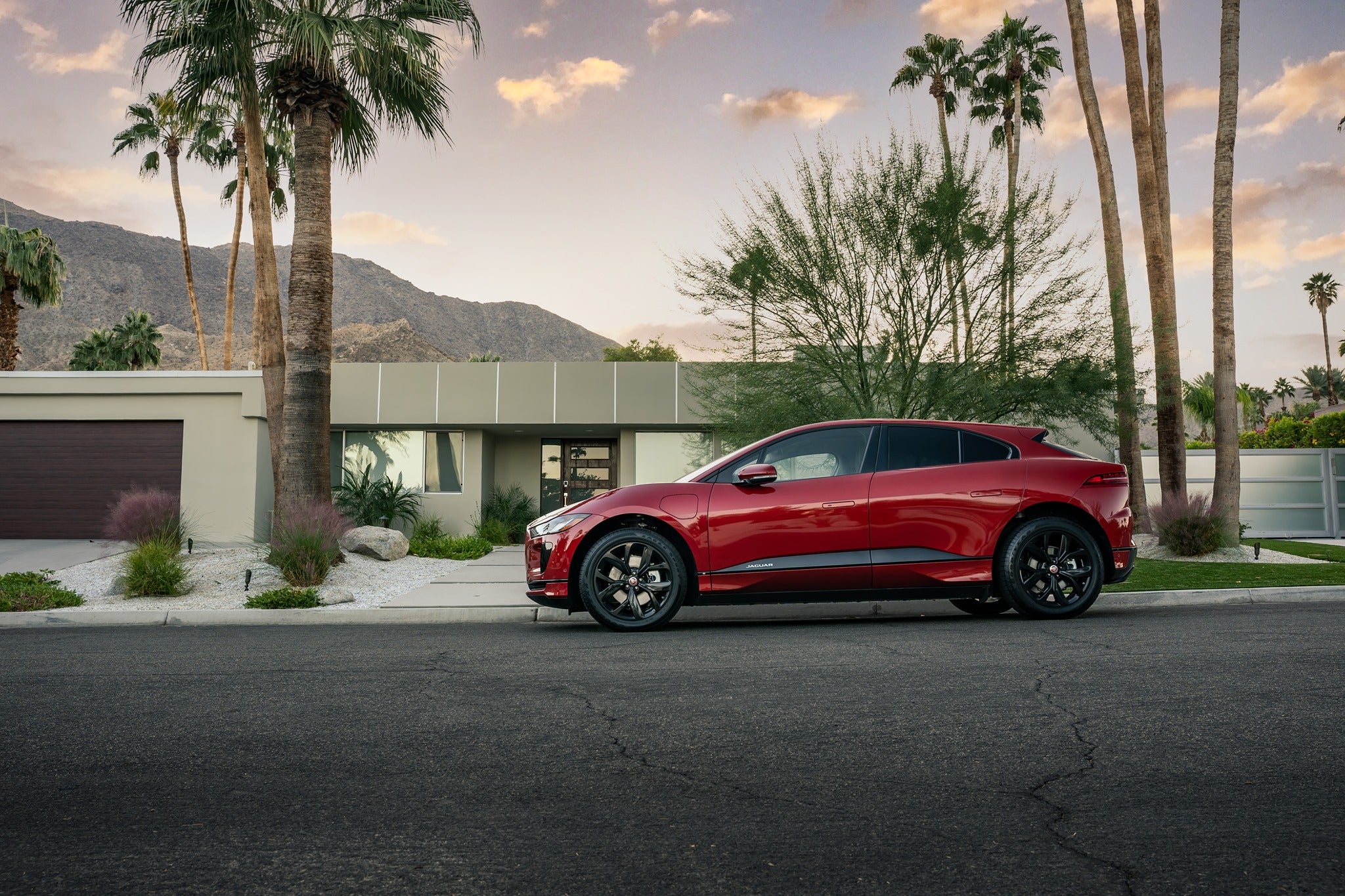
And Now There’s Even More Features for 2021 that Make this Jaguar Luxury EV Even Better! The Jaguar I-PACE has already become the stuff of legends in the past few years, winning three major international car awards, including World Car of the Year. Now there’s even more to admire about this top Luxury EV thanks to a bevy of new features for 2021. For one, charging just got better and faster. All 2021 models of the I-PACE gain a new 11-kW onboard charger. (The older charger 7-kW). Connected to a 240-volt source new new charger will lower the charge time for a depleted battery from 12.6 hours to 8.6 hours, according to Jaguar. A 100-kw charger will add up to 78 miles over the same time. Also new for 2021, the I-PACE SUV now has a complimentary 4G data plan, a 360-degree camera system, and wireless charging. more Inside, there's a new infotainment system that's even easier to operate and includes a feature that tells you where the nearest charging stations are, how much it will cost and how long it should take to charge the battery. The I-PACE’s 90kWh battery warranty covers 8 years or 100,000 miles - whichever comes first. It is redeemable in the case of any manufacturing defect or should a certified Jaguar Retailer test it and find that the battery has dropped below a 70 percent State of Health. The I-PACE’s motor is very different from an internal combustion-engine. Instead of a gasoline or diesel engine, it features two lightweight and compact Synchronous Permanent Magnet Electric Motors. Both motors are up to 97 percent efficient when transferring power from the battery to the motor. By comparison, an internal combustion engine is typically only 30-40 percent efficient when producing power from fossil fuels. The engines were developed by Jaguar engineers who built upon knowledge collected from their experience producing Jaguar I-TYPE Formula E racing car. To deliver maximum power in the smallest possible footprint, the two Synchronous Permanent Magnet Electric Motors are axle-mounted and use concentric single speed transmissions. The motors are also positioned lower in the vehicle, contributing to the low center of gravity and enhancing I-PACE’s control, handling and agility, according to Jaguar. I-PACE’s electric motors are quieter and create fewer vibrations than conventional internal combustion engines – with none of the interruptions normally associated with gear changes, the automaker notes. They provide superior operating efficiency, torque delivery and respond immediately to your demands. Positioned as low as possible and right between the axles, I-PACE’s 90kWh battery is constructed of high energy density lithium-ion pouch cells. It’s designed for longevity and supports protracted periods of sustained maximum power. And each year, the cost of owning an I-PACE gets lower and lower. That’s partly because electricity costs less than petrol or diesel. You’ll get significant tax incentives too, including – if you live the Golden State - the California Clean Fuel Reward, which saves you $1,500 on your EV purchase.   And with no charges relating to congestion, emissions or parking in many cities, the benefits keep growing in 2021. If you opt for the mid-level Jaguar I-PACE SE in 2021 you gain 20-inch wheels, ultra bright LED headlights, a powered liftgate, and leather upholstery. The SE gives you upgraded driver assists, including adaptive cruise control and blind-spot monitoring. Additionally, charging is getting much easier in 2021. With the majority of electric car charging done from home, you can more efficiently plan your time around the things you want to do. Simply recharge on an evening, and by morning you’ll be ready to go. With the 2021 I-PACE you also enjoy: ZERO TAILPIPE EMISSIONS Vehicles powered solely by a battery are able to achieve maximum power with zero tailpipe emissions. And with more renewable resources added to the National Grid all the time, electric car energy gets cleaner every year. A DISTINCTIVE DRIVE Electric technology is not only incredibly quiet, it’s able to deliver instant acceleration with no lag and no gearshift interruptions. This means a distinctively smooth and responsive driving experience at all speeds. VARYING CHARGING SPEEDS AT HOME 7kW AC home chargers will charge overnight from 12.75 hours. Or up to 35km (22 miles) of range from 60 minutes Domestic sockets will charge from 48 hours. Or up to 8km (5 miles) of range from 60 minutes. So What Factors Affect the Distance You Can Crive on the I-PACE? According to Jaguar, in an all-electric car, your battery is the single source of energy. As a result, your driving style, the features you use in your cabin, and even the conditions you drive in will influence your overall range. And you will save money.  Lower running costs, cheaper electricity rates compared to petrol and diesel, and significant tax incentives are just some of the ways that the move to all-electric can save you money every year, according to Jaguar. And the Jaguar I-PACE is covered by a comprehensive battery warranty of up to 8 years or 160,000km (100,000 miles) – whichever comes first. Your 2021 I-Pace seats five people in two rows in a cabin that is spacious and comfortable for most people. The contoured seats provide good support, both in the front and the back. The seats are mounted low, which limits knee room for long-limbed passengers hinders outward visibility for the driver. When it comes to cargo space, packing for longer trips is not a problem. The I-Pace has 25.3 cubic feet of cargo room behind the rear seats, which expands to 51 cubic feet with the rear seats folded. There are several handy in-cabin storage spaces, including a deep center console separating the front seats. Under the hood, there's even a tiny compartment with just enough space for a small bag. Each Jaguar I-Pace comes with a ton of safety features, including automatic emergency braking, forward collision warning, parking sensors all around the vehicle, a rearview camera, rear cross traffic alert, lane keep assist, rain-sensing windshield wipers, a driver condition monitor, and traffic sign recognition, among other things. Do you get nervous when parallel parking in a tight spot? No problem. Park assist, which is standard, controls the steering to expertly navigate the I-Pace into a parallel or perpendicular parking space. You also have a clear exit monitor that alerts back-seat passengers to approaching obstacles, such as a bicyclist, before they open the door. Optional features include blind spot monitoring, high-speed automatic emergency braking, adaptive cruise control with stop-and-go functionality, a surround-view parking camera system, and adaptive cruise control with steering assist. Like last year’s models, the 2021 Jaguar I-Pace comes in three trim levels: S, SE, and HSE. And you can also add optional features to your new I-Pace S without having to pay the whole price for a new trim. With the I-Pace S you get synthetic leather upholstery, eight-way power-adjustable front seats, a fixed panoramic sunroof, dual-zone automatic climate control, and push-button start. The S also comes with a dual-screen infotainment system that features a 12.3-inch adaptive driver display, smartphone integration, a Meridian sound system, satellite radio, HD Radio, Bluetooth, six USB ports, three 12-volt outlets, navigation, and a Wi-Fi hot spot. Bump up to the I-Pace SE trim for options like the power liftgate and 10-way power-adjustable front seats with memory settings and genuine leather upholstery. Blind spot monitoring, adaptive cruise control with stop-and-go functionality, and high-speed automatic emergency braking are also part of the SE. The even-more-premiere HSE trim provides extra cabin comfort with genuine leather upholstery, heated and cooled front sports seats, heated rear seats, 18-way power-adjustable front seats, a hands-free liftgate, and a 15-speaker Meridian stereo. HSE also adds a surround-view parking camera system and many other features. The Jaguar all-electric I-PACE doesn’t disappoint when it comes to  luxury or adrenaline-pumping driving thrills. If you are looking for strong power output, impressive all-electric range and a bevy of standard this may very well be the car of your dreams. With a starting price of roughly $70,000 there are few electric cars that can match its all-electric power, driving dynamics and numerous features. So come in and drive one today! Contact our Jaguar dealerships today for more information and inventory: Visit Jaguar Rancho Mirage Visit Jaguar Riverside

Jaguar I-PACE

What Makes the Jaguar I-PACE Perhaps the Best Electric Vehicle in the World?

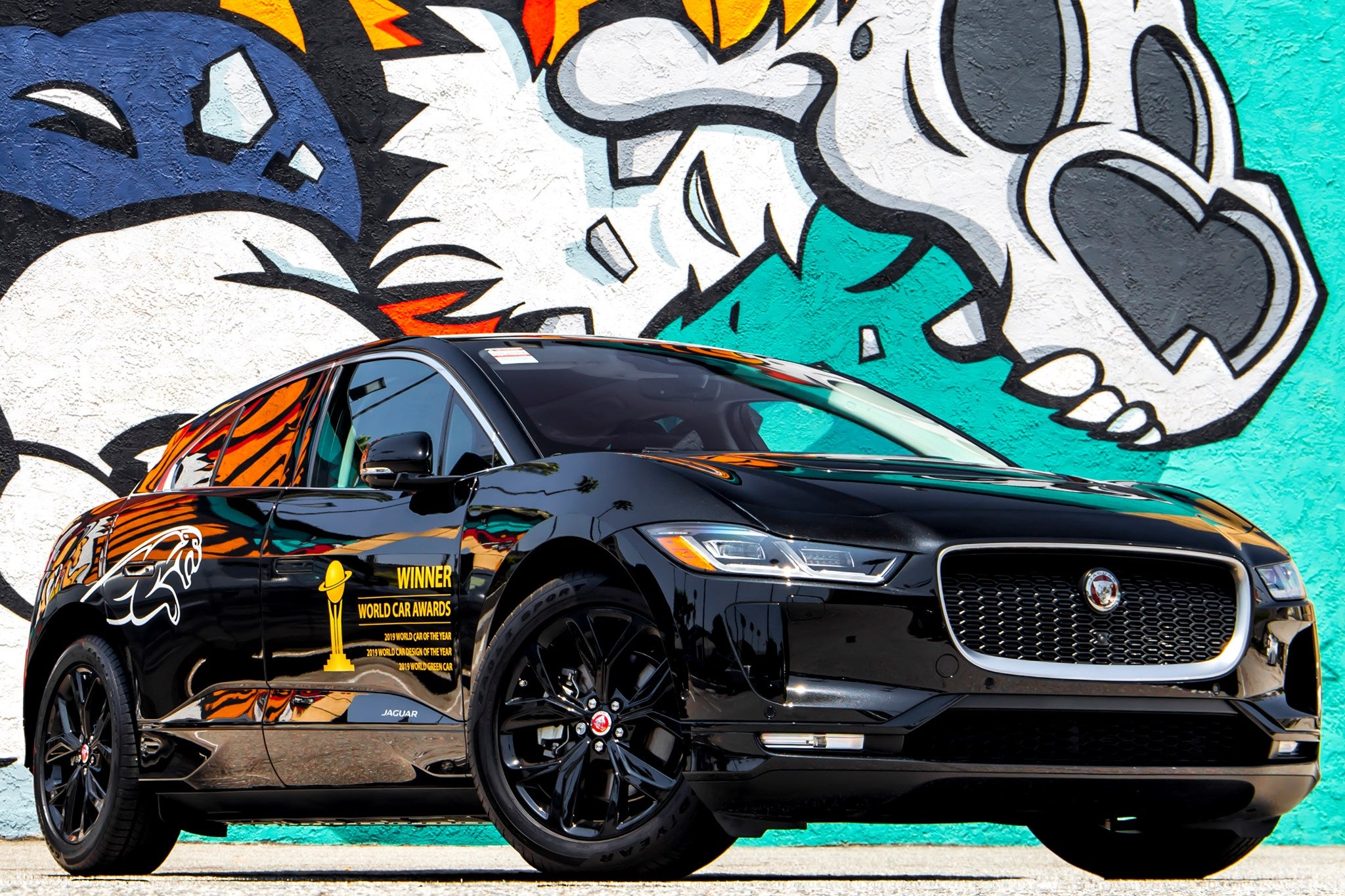
Critics and Customers Agree that the Jaguar I-PACE is at the Top of the Electric Vehicle Pack for 2021 The Jaguar I-PACE is consistently ranked a top luxury electric SUV by critics and customers alike. The I-PACE has won more than 80 global awards, including 2019 World Car of the Year, World Car Design of the Year and World Green Car. All of this reinforces its status as one of the greatest EVs in the world. Let’s take a look at why everyone who drives the Jaguar I-PACE agrees this SUV is one of the best EVs on the market in 2021. more Five features that make the 2021 I-PACE great: Driveability The sophisticated, all-electric Jaguar I‑PACE is a nearly silent high-performance sportscar with zero tailpipe emissions. The I-PACE boasts not only impressive performance but excellent cornering abilities and adaptive suspension that makes the I-PACE highly capable and cushioned on and off the road. Thanks to thrilling handling and its strong yet quiet powertrain the Jaguar I-PACE delivers instant acceleration, getting you from zero to 60 in a mere 4.5 seconds and offering an impressive top speed of 112 mph. It also includes all-wheel drive as well as an adaptive air suspension that gives you a nice, cushioned ride for your day-to-day errands as well as longer road trips.  With two Jaguar-designed electric motors at each axle, producing outstanding combined performance of 400PS and 696Nm, aluminum construction and a low center of gravity, the I-PACE offers an unrivalled balance of all-wheel drive performance, refinement, luxury and agility – together with outstanding real-world range and day-to-day usability. Luxury It’s one of the most luxurious EVs on the market. The Jaguar I-PACE has an ultra-luxurious cabin, abundant cargo room and two rows seats that are comfortable for adults and children. Cabin air ionization with high-tech filtration captures ultrafine particles and allergens so you are not breathing them as you drive. The I-PACE can even filter cabin air while on charge before a journey. The Jaguar I-PACE’s stylish exterior is matched by its sleek and sophisticated cabin, which is roomy and filled with tech to make driving even more pleasurable. It’s base model also has environmentally friendly synthetic leather seats and a panoramic sunroof that lets the sunshine in. The I-PACE can be filled with many optional features that will delight you and your passengers including climate control with four zones, heated front and rear seats, sumptuous leather upholstery, and more. Tech It’s loaded with advanced tech and safety systems. Every I-PACE includes a touch-sensitive infotainment system with a 10.0-inch upper screen for audio and a 5.5-inch lower display for climate control. New-for-2021 software shows you the locations of charging stations along with their availability and  estimated charging time as well as cost. Apple CarPlay/Android Auto integration and a mobile Wi-Fi hotspot are supported. The 380-watt Meridian sound system comes standard. Audiophiles can opt an 825-watt unit. Battery and Range The I-PACE delivers an impressive 234-mile all-electric range. Every I-Pace features a 90.0-kWh battery pack that provides an EPA-rated driving range of 253 miles. The electric Jag includes a standard DC fast-charging port that allows 80 percent of its battery to be charged in 40 minutes. You will wait 8.6 hours to fully charge the battery using a 240-volt AC outlet. Jaguar upgraded the I-Pace's onboard charger from a 7.0-kW unit to one with 11.0 kilowatts in the last year. And as if that’s not enough this World Car of the Year winner includes these innovated touches that make it the perfect electric car, according to the Stratstone blog in England: The Jaguar I-PACE is able to pre-condition its battery while plugged-in even before you get in so that the range is maximized. It’s similar to letting a normal car warm up before driving off. The I-PACE will use its pre-conditioning abilities to bring the cabin up to a comfortable temperature that is perfect for you that day. There’s nothing like hopping into a cool cabin on a hot day. The Pivi Pro infotainment system complements the I-PACE because of how effective it is to use on a daily basis. Menus are easy to navigate and offer fast response to input with options that make it even more tailored to your personal needs. The 'Go I-PACE' Phone App allows you to get insight into how it would be for you to drive an electric vehicle by monitoring your journey throughout an average week. The app will tell you how many times you will need to charge throughout the week and then make route recommendations to maximize the range of the car. It will also tell you how much money can be saved by making the switch to an I-PACE. These are among the reasons the I-PACE is the first model ever to win three World Car titles in the 15-year history of the awards, according to Jaguar. It was awarded the World Car title at the New York International Auto Show by a panel of 86 motoring journalists from 24 countries. That honor came just weeks after it won European Car of Year title. Today it’s considered the most desirable premium electric vehicle (EV) in the world. Jaguar noted: I-PACE won 2019 World Car of the Year, World Car Design of the Year and World Green Car awards Jaguar’s all-electric performance SUV is the first vehicle to win three categories in the same year It’s the second member of Jaguar’s acclaimed PACE family to win World Car of the Year and World Car Design of the Year, following F-PACE’s victory in 2017. “It is an honor that the Jaguar I-PACE has received these three accolades from the prestigious World Car jurors. We started with an ideal, to move towards our Destination Zero vision: zero emissions, zero accidents and zero congestion. I-PACE is our first step to achieving this, and it was conceived when EVs were little more than a niche choice. So, we started from a clean sheet of paper to create a new benchmark - the world's best premium electric vehicle, and a true Jaguar driver's car. For I-PACE to be awarded 2019 World Car of the Year, World Car Design of the Year and World Green Car gives our first all-electric vehicle the ultimate recognition it deserves. I would like to thank the team who have created I-PACE for their passion in making it so outstanding.” – Dr. Ralf Speth, Chief Executive officer for Jaguar Land Rover. Summary: The Jaguar all-electric I-PACE doesn’t skimp on luxury or driving thrills. If you are seeking a strong power output, impressive all-electric range and a bevy of standard features that would be optional in other cars this may very well be the best choice for you. With a starting price of roughly $70,000 there are few electric cars that can match its all-electric power, driving dynamics and numerous features. So come into any one of our Jaguar dealerships and drive one today! Contact our Jaguar dealerships for more information and inventory: Visit Jaguar Rancho Mirage Visit Jaguar Riverside

luxury electric vehicles rolls royce cullinan

Expect Fully Luxury Electric Vehicles by 2030 from these Car Brands

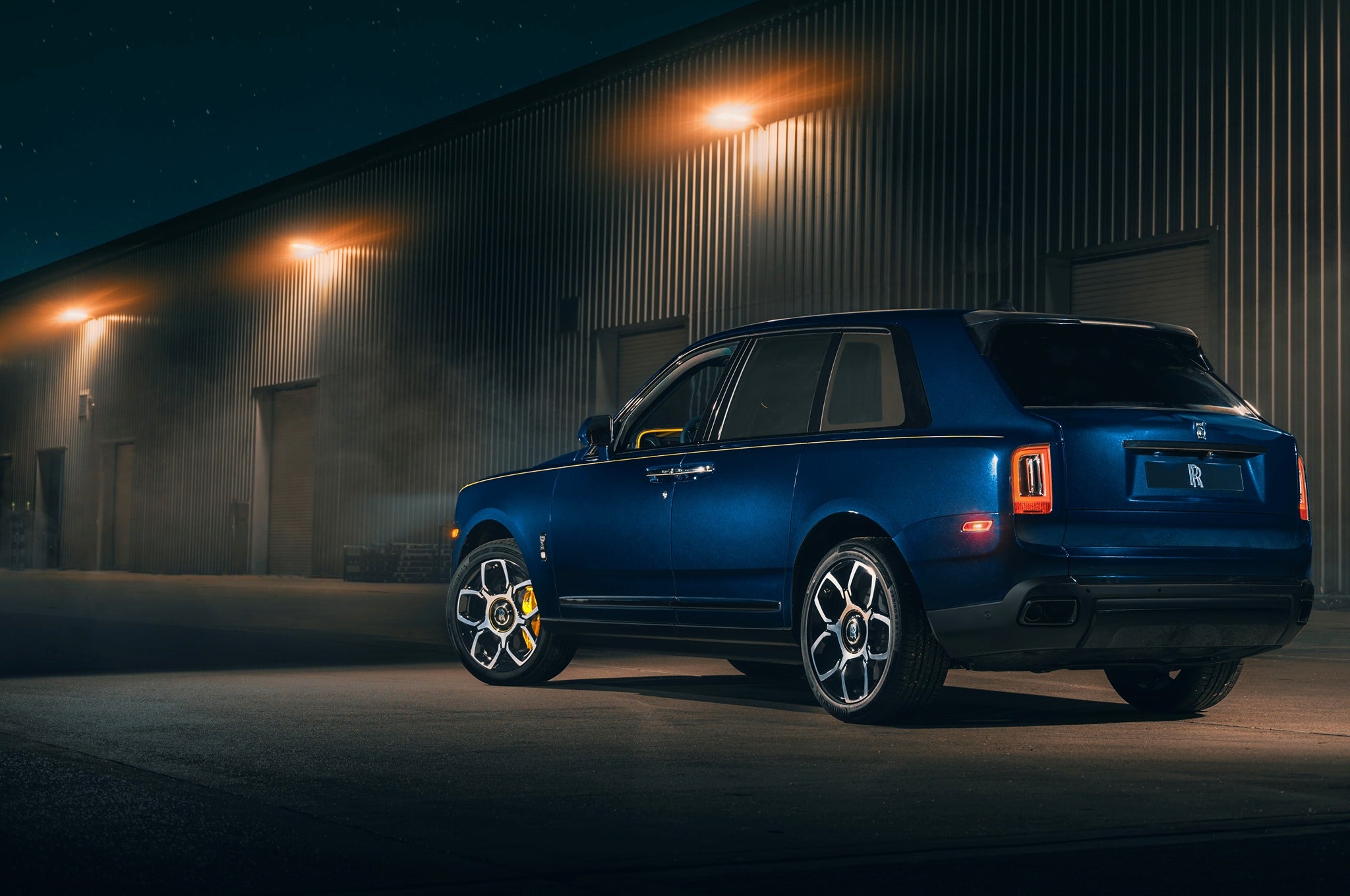
In a Move that is sure to lead other automakers to follow suit, British car companies Jaguar and Bentley have announced they will be fully electric by 2030. Craving more luxury electric vehicles in the market? Well, earlier this year Bentley became the latest automaker to lay out plans for an all-electric fleet in the future. The century-old automaker Bentley is best known for high-performance — and gas thirsty — vehicles like the Bentayga SUV and Flying Spur sedan. By 2026, however, all of its products will be plug-based, whether in hybrid or battery-electric form, the company has revealed. Bentley’s announcement comes amid an accelerating shift by the global auto industry away from gas and diesel to battery power. It also reflects a transformation within the electrified vehicles segment. more UK automaker Jaguar Land Rover (JLR) said earlier this year that its Jaguar luxury brand will be 100 percent electric by 2025.  And its Land Rover brand will release its first all-electric vehicle in 2024, the first of six fully electric models planned for release over the next five years. It’s not just good for the environment and business - in some places it’s the law. Paris, Amsterdam and Berlin — some of the world’s largest markets for premium brands like Bentley — will soon ban automobiles that are not electric. The new crop of luxury electric vehicles takes advantage of the wheel-spinning torque that electric motors can deliver, as well as their near-silent sound. This is part of what has generated growing interest within the luxury market, especially as technology continues to improve. All of these factors have caused a growing number of high-end automakers to start laying out plans to add hybrids, plug-ins and EVs. Earlier this week, the CEO of Aston Martin announced plans to have at least 20 percent of its sales come from electrified products by 2024, with its first all-electric model to follow about two years later. Bentley’s lead competitor, Rolls-Royce, has also said it will begin shifting to electric propulsion. Bentley is in a good position to go all electric due to the fact that it is one of 12 brands owned by Volkswagen, which has laid out one of the industry’s most aggressive battery-car programs. VW will have at least 50 BEVs on sale by mid-decade, including luxury brands such as Porsche and Audi. JLR’s only fully luxury electric car to date is the Jaguar I-PACE SUV. The Jaguar I-PACE has been designed to ensure every step of the customer journey delivers peace of mind and makes owning an electric car as easy as possible. This electric car’s driver-focused technology and enhanced exterior design bring an even greater sense of luxury Jaguar’s electric car. From the new Atlast Gray grille tip finish and an enhanced paint palette, new range of wheels this is not your grandfather’s electric car! Jaguar set out to create the world’s most desirable electric vehicle and show what can happen when a top luxury brand works its magic on a once utilitarian category of car. It’s even better than before with a new state-of-the-art infotainment system, three-phase charging and other technology that benefits driver and passengers alike. Every change made to this model ensures it’s the benchmark of its class. There’s faster home charging: 11kW (AC) domestic wall box can add 53km/33miles of range (WLTP) per hour for customers with three-phase supplies. The I-PACE also offers outstanding performance and range: Acceleration from 0-60mph in just 4.5 (0-100km/h 4.8 seconds) seconds and up to 470km / 292 miles (WLTP). And even greater. JLR expects all Jaguars and 60 percent of Land Rovers to be zero-emissions vehicles by 2030. That’s the same year its home market-  the UK - will ban the sale of new internal combustion engine vehicles. It's a set ahead for luxury electric vehicles. JLR says it hopes to achieve net zero carbon emissions by 2039. Bans of internal combustion engine vehicles have been announced in Norway by 2025, France by 2040, and California by 2035. The 100-year-old Bentley company said it would launch two plug-in hybrids next year as part of its "Beyond100" strategy to accelerate the development of electrified models. “Within a decade, Bentley will transform from a 100 year old luxury car company to a new, sustainable, wholly ethical role model for luxury,” Bentley Chief Executive Officer Adrian Hallmark said in a statement. Rolls-Royce first luxury electric vehicle is coming very soon. So stay tuned! Let us know if we can answer any questions about your EV of choice!

bmw electric vehicle i4

BMW’s Electric Car Lineup is Causing a Stir in the Auto Industry

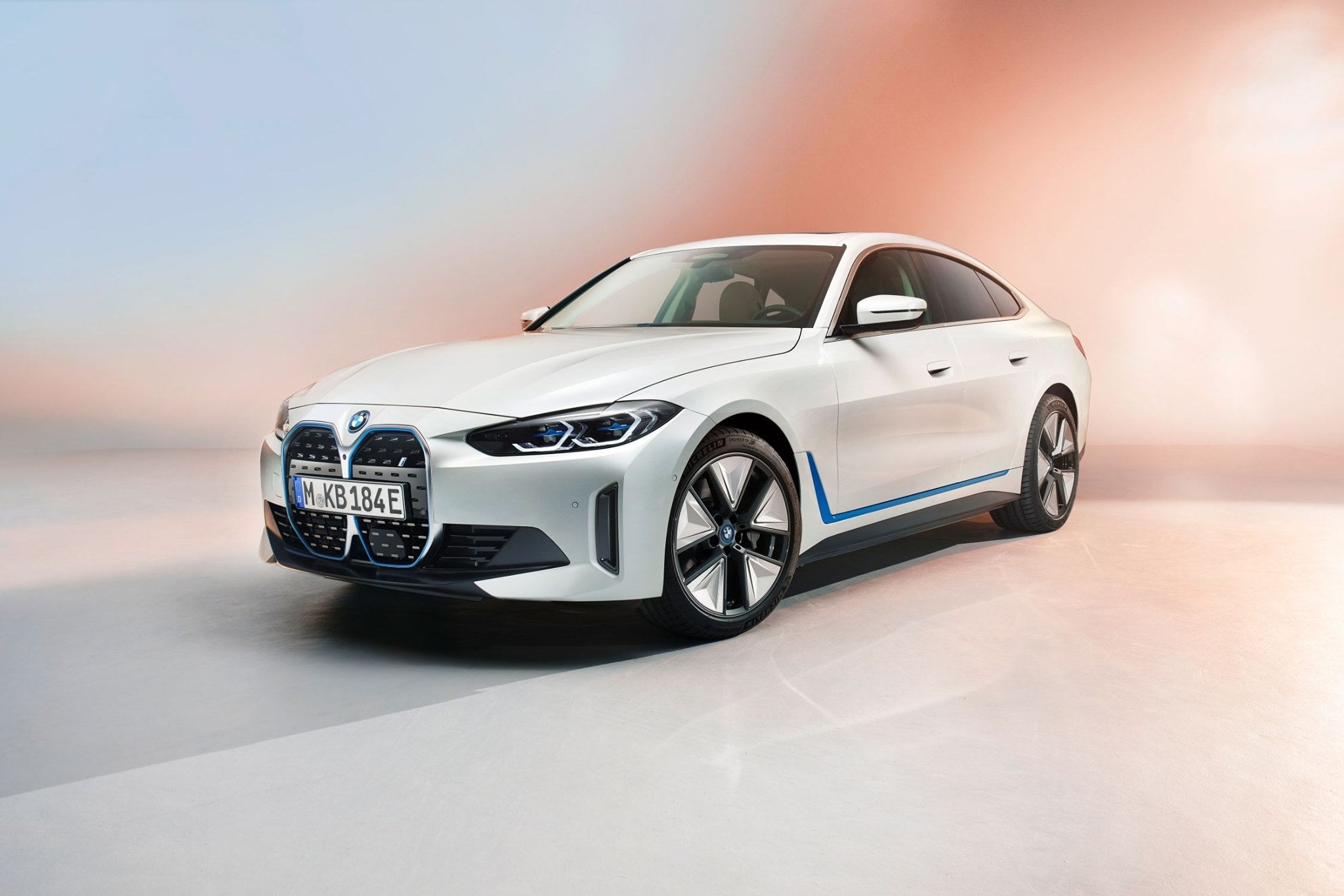
The BMW Plug-in Hybrid Electric Vehicles (PHEV) are engineered to take your breath away, unleashing more driving fun as well as greater efficiency. It’s good for you, your pocketbook - and it’s good for the planet.  In fact, the 2020 BMW electrified fleet of vehicles is designed to give you more: Power and performance Everyday savings Zero-emissions driving Time savings by using HOV lanes. Intuitive drive modes automatically optimize efficiency by selecting the ideal combination of electric and gas power on drives of any length in your hybrid BMW. You can also choose to drive in all-electric mode within a certain range, or with the convenience of the combustion engine like a conventional BMW. more The electric range of a plug-in hybrid vehicle depends on the size of the battery, as well as the vehicle weight, aerodynamics, and tire type. In the case of 2020/2021 BMW plug-in hybrid electric cars, the EPA-rated electric ranges are: BMW X3 xDrive30e Sports Activity Vehicle®: 17 miles BMW X5 xDrive45e SAV: 30 miles BMW 330e / 330e xDrive Sedan: 22/20 miles BMW 530e / 530e xDrive Sedan: 20/18 miles BMW 745e xDrive Sedan: 16 miles The combined driving range when engaging both the electric motor and the BMW TwinPower Turbo engine is significantly higher and can be optimized based on driving and charging behavior. You get to experience a plug-in hybrid without compromising a bit of BMW prowess and performance. With both an electric motor and a gasoline engine, you get the best of both worlds: Pure electric for day-to-day driving, plus a powerful gasoline engine for longer trips. In other words, BMW Plug-in Hybrid Vehicles can be fully electric, fully gasoline or a thrilling combination of both. During stop-and-go-driving, around town and on your daily commute, the gasoline engine may never start when in electric mode. You can even drive in pure EV mode at highway speeds. And for stronger acceleration, the electric motor can boost the gasoline engine for impressive performance from a stop or when merging into traffic. With regular overnight charging at home, you’ll enjoy better overall mileage and fewer trips to the gas station. BMW plug-in hybrids can also charge while driving. Regenerative braking allows the plug-in hybrid to regain part of its energy. In addition, charging can also take place during the journey with the function known as Battery Control Mode. This mode maintains the charge of the high-voltage battery constantly at the desired level or increases it to the present value, by having the electric motor function as a generator. In this way, for example, it is possible to use Battery Control Mode during a drive on the highway to protect or even increase the electric power reserves so that a subsequent urban route can be covered with electric driving and without any local emissions. Even if you don’t have time to catch a charge, your PHEV will still get you where you need to go. When the battery is fully discharged, the BMW TwinPower Turbo engine automatically takes over. The combustion engine and electric motor can work independently or together for impressive performance and freedom from range anxiety. And you can stay connected to your plug-in hybrid at all times with your BMW Connected app, where you can manage charging status, locate charging stations, monitor your electrical consumption, and more right from your phone. Operate at peak performance and enhance the efficiency of your plug-in hybrid with BMW Charging: the advanced, comprehensive charging program that offers tailored solutions for both home and public charging. And it’s compatible with any outlet. You can grab a charge at any power outlet with the Occasional Use Cable, included as standard with every BMW plug-in hybrid.  Install a BMW i Wallbox in your home for fast charging between daily drives. And did you know that BMW’s partnership with EVgo gives you access to more than 35,000 Level 2 chargers nationwide through your BMW Charging app. And with the BMW TwinPower Turbo engine, you can be assured that your plug-in hybrid has the range to get you where you want to go. With even more ways to lower overall ownership costs and additional incentives for increased convenience, living an electric lifestyle has never been easier. If you live in California be sure to read about the $1,500 credits for larger battery EVs here. And that is just one of the many perks to owning a BMW electric car or plug-in hybrid. You may be eligible for federal tax credits of up to $7,500, in addition to other state incentives such as rebates, tax credits, and grants. You could also save up to $1,500 in fuel costs within five years. Contact us today to learn more!

California clean fuel reward

The California Clean Fuel Reward Gives You Yet Another Incentive to Buy Electric in 2021

Thinking about buying a new car? You may have one more reason to go with an electric vehicle. Did you know you can save up to $1,500 on your EV purchase when you buy an eligible electric vehicle in 2021? And you may be able to combine that with existing incentives announced in the past several years. The California Clean Fuel Reward (CCFR) is now available to anyone who buys or leases a new electric vehicle with a battery capacity greater than 5 kWh.  While there are no income or location restrictions within California, you have to register your electric car in California and you must live here. The goal of the California Clean Fuel Reward is to put more electric vehicles on the streets for a carbon-neutral future. Carbon neutrality means having a balance between emitting carbon and absorbing carbon from the atmosphere. It is essential to reduce carbon emissions in order to reach a state of climate neutrality. more It’s easy to obtain the reward. When you buy or lease an EV at an enrolled retailer in California, the retailer will simply include the reward in the transaction at the point of sale. The customer does not need to provide any paperwork or fill out any forms. At indiGO Auto Group we carry the best of the new generation of electric vehicles including: Porsche Taycan Porsche Taycan Cross Turismo BMW i3 Audi e-tron Premium Quattro V-W ID.4 Jaguar I-Pace Pacific Gas and Electric Company and other electric utilities have teamed up with the California Air Resources Board to offer the reward, which is even offered on a sliding scale depending on your car battery size. Discounts of  up to $1,500 are offered on cars with larger batteries that carry a bigger charging capacity. And, the incentive is also available on leased electric vehicles. Only vehicles purchased or leased from approved participating retailers are eligible. Learn more about fueling options around the state here. If you purchased your vehicle before your retailer was approved in the program or if you did not purchase at a participating retailer, you can visit your electric utility’s website or search Additional Incentives because you may still be eligible for rewards. You can view additional California Clean Fuel Reward program rules here. “The goal of the program is to accelerate the number of electric vehicles on California’s roads and highways,” said CARB Vice-Chair Sandy Berg.  “The instant point-of-sale price reduction of up to $1,500 will help make these ultra-clean cars more affordable, especially for low-income families or those living in disadvantaged communities.” So far, more than 20 cars from 15 manufacturers are eligible for the reward including 2021 models eligible to receive the full $1,500. Moreover, the CCFR can be combined with existing post-sale federal, state and local incentives. Those include the Clean Vehicle Rebate Project, Clean Cars 4 All, and the Clean Vehicle Assistance Program. Together that can potentially save you $10,000 on your EV purchase. It’s a good time to buy electric! PG&E’s EV Savings Calculator helps customers who are considering purchasing or leasing an EV to compare cars and evaluate total cost of ownership of an EV compared to gas-powered cars. The tool provides customers with a personalized recommendation that includes estimated costs, savings, and rebates or incentives of up to approximately $10,000. Additionally, the EV Savings Calculator allows customers to explore EV rate options available to them for residential charging and find public charging stations in their area. Since launching two years ago, the tool has helped more than 350,000 users calculate their savings. See our latest electric car inventory.

luxury car detailing

A Well-Executed Car Detailing Can Make Your Luxury Auto Shine

But How Do You Know Who to Trust for Your Luxury Car Detailing? There’s nothing like a well-executed car detailing to make your luxury car shine and dazzle like new. And there’s nothing like picking up your beloved car when it’s just been lovingly detailed: washed, polished and sanitized, buffed inside and out, wheels and other details sparkling in the sun. By hiring a reputable car detailing company, you can practically avoid the possibility of damage to your vehicle while enhancing its appearance and its value over the long term. And detailing doesn’t necessarily have to break the bank. In fact, basic washes and interior cleaning at a detailer can start in the $100-$200 range. And if you consider the benefit derived from a regular professional detailing, it’s well worth the cost. more In fact, regular professional detailing can protect the value of your car and help you feel proud of your investment. Here are some questions you might want to ask any professional auto detailer before leaving your baby in its charge for a few hours. No matter who you choose, every detail should include hand washing, waxing, polishing, vacuuming and window cleaning. You might just want the exterior done so make sure that’s a service that your detailer offers. Some businesses also offer pet hair and odor removal and other detailed cleaning services. Whatever you choose, the idea with a good detail is to focus on restoring your car to its original external and internal condition. A professionally detailer will plenty of options for helping you do just that. According to the Perfection Plus Biz blog you should start with these three questions: Is the detailer IDA (International Detailing Association) certified? Or do they have any professional training? Like any other tradesman, a  professional detailer should have formal training or have been an apprentice with an experienced detailer. Certification is just another layer of legitimacy that tells you this is a good outfit to handle your precious auto.  Here’s a link to the IDA to find out if your possible detailer is certified. Visit the IDA site. Does the detailer use old school chemicals to clean your car? If so what are the names of those chemicals? (Ask for a list and what they are used for). Detailing has made progress in using greener materials to clean your car in a way that is less dangerous to kids, adults and pets. But some older methods cans still employ relatively harsh chemicals. So ask a lot of questions. If a detailer says they use acid to remove water spots on the exterior you may want to pass on that detailer. This is not a good method for your luxury car’s exterior and can be quite damaging. Hydrofluoric acid was used to remove  water spots in the early 90’s. It works, yes. But it can also break down the clear coat finish on your car and also damage glass - in ways that cannot be reversed. It can also be very bad for your health when inhaled.  There are many safer products that are used today so ask the detailer about how they address spots safely without harsh acids. How, exactly, does the detailer clean your car’s carpets and upholstery? According to Perfection Plus if your interior is in good shape the detailer should avoid using harsh chemicals to clean the interior back to “like new” condition. These chemicals are extremely dangerous for pets and children and are not great for you or your adult passengers. So see what alternatives they offer.  A good detailer can even wash out the tough chemicals used in a prior cleaning. Your lungs will thank you! “Steam technology revolutionized the way interiors are cleaned,” according to the site. Other questions to consider, according to Small Biz Trends and other websites: How long have they been detailing professionally? A professional detailer should have at least 5 years of experience working at a private reputable detailing shop. Also, if they are using the older and outdated techniques and products from 20 years ago, consider finding one that is up to date with chemical-free cleaning that is less harmful to the interior and exterior. How long will the detailing take? A sedan with minimal wear, for instance, should take less time than a full SUV with embedded stains throughout the interior. Expect it to range from 3-6 hours. Does your detailing company carry insurance? It’s important to make sure the auto detailer is insured before you drop off your car. This can bring you peace of mind, especially if your car is a collectible. Bad things can happen. Your car can get hit by another car or scratched during the detailing process. Even crimes can happen. So at least check out their insurance coverage before you get started Does your company have a service guarantee? Your auto detailer should stun and amaze you with the service they provide. And one thing more reputable car detailers do is provide you with a service agreement. Because detailers are human and may miss something you should ask in advance if they provide a service guarantee that makes sure you know you will be satisfied with their work before you bring in your auto. Some detailers even promise a money back guarantee if you are not fully satisfied! What is your dropoff/pickup protocol. It’s important to understand a detailer’s drop off and pickup protocol before you head over. Often, you can arrange to have someone pick you up during your service or you can bring enough work to keep you occupied in the waiting room, until your service is over. They might even offer to pick you up when your car is ready if you live or work nearby (rare, but it happens). And there’s a lengthy list of benefits to regular detailing. Among them: simple convenience; fewer penalties when returning a lease vehicle; faster sale turnaround and (our favorite) peace of mind. Everyone spills something in their vehicle, whether it’s a BMW or a Bentley. So why not let the professionals clean it up the right way? Another option aside from a professional car detailer is to let your car dealership take care of the maintenance and any detailing work for you.  They know your car because they sold it to you and are very familiar with the model - and you know your auto is in the very best hands. This may cost a bit more but will pay endless dividends in terms of lack of surprises when it’s time to end the lease or sell. All you have to do is bring your laptop and enjoy a cup of coffee!

Luxury electric cars BMW i3

More Luxury Auto Makers are Offering Electric Cars - Part 2

More and more luxury automakers are offering electric cars. So what are the advantages of owning a luxury electric car? They’re everywhere on the luxury car market in 2021 and there’s so many more coming along as the Electric Car technology improves at lightning speed. Electric cars use a rechargeable battery-powered engine in place of a typical gas engine. So, what are the advantages of owning an electric car or electric luxury automobile? There are loads of benefits – so many, in fact, that some luxury car makers are vowing to go 100 percent electric in the near future - so let’s touch on as many benefits as we can in Part 2 of our blog on the subject: (See Electric Car Benefits Part 1 for No. 1-3) more No. 4. There are tax credits available for owners of electric cars. The BMW electric car page lists many benefits including tax credits.  In fact, owning an electric BMW or other luxury electric car comes with many financial incentives. You may be eligible for federal tax credits of up to $7,500, in addition to other state incentives such as rebates, tax credits, and grants. You could also save up to $1,500 in fuel costs within five years.  All-electric and plug-in hybrid cars purchased new in or after 2010 may be eligible for a federal income tax credit of up to $7,500. The credit amount will vary based on the capacity of the battery used to power the vehicle. State and/or local incentives may also apply! BMW even offers a state by state rundown. Original owners of luxury electric cars such as the BMW i3 can receive credit on their tax returns simply for owning a car that's good for the environment. The BMW i3 is a B-segment, high-roof hatchback with an electric powertrain using rear wheel drive via a single-speed transmission and an underfloor Li-ion battery pack and an optional range-extending petrol engine. The i3 is BMW's first mass-produced zero emissions vehicle and was launched as part of BMW's electric vehicle sub-brand. Other specific makes and models receive different credit amounts. So if you're interested in learning about what kind of credit you could receive, there are several online resources and articles available. No. 6. In addition to cost-cutting incentives, if you own a model such as an Audi e-tron GT you financial benefits such as potential fuel savings and federal tax credits. The 2021 Audi e-tron GT and Audi e-tron Sportback are all-electric luxury crossovers that are taking Audi firmly into the forefront of the electric car universe. Their battery-powered, all-wheel-drive powertrains deliver up to 222 miles of EPA estimated driving range and their refined and responsive driving and quiet yet high tech interior spaces prove to be 100 percent Audi DNA. They are electric but very similar to the non-electric Audis in terms of style and performance. And did you know that with these same luxury electric cars you can receive preferential parking and charging various cities around the nation while charging your plug-in hybrid and access to HOV lanes with a single occupant in select states. That’s right: Plug-in auto owners often receive preferential parking for increased convenience while charging. No. 8. You get exclusive lane access. That means you can cut even more time from your daily commutes – most BMW electric cars and other luxury electric cars are eligible for HOV lane access with a single occupant in select states. Some major highways have high occupancy vehicle lanes (HOV) that can bypass traffic during rush hour. This is known as the carpool lane, but is also available to electric car drivers. According to the U.S. Department of Energy, High occupancy vehicle (HOV) lanes are available across thousands of miles in more than 20 states. The idea is to move people more efficiently. According to DOE, HOV lanes require vehicles to have a minimum number of occupants during peak traffic hours or that they be registered electric cars or hybrids that are also entitled to use the lanes. HOV lanes are open to carpoolers, buses, and motorcyclists in most areas. Some HOV lanes are accessible to certain low emission vehicles, electric and hybrid electric vehicles (regardless of the number of passengers). A number of states use HOV lane exemptions to encourage people to buy certain sustainable fuel car types, like electric cars, to further reduce mobile source emissions. The benefits of owning a luxury electric car are endless. So reach out to set up a test drive today!

2021 Porsche Taycan for Sale

More Luxury Auto Makers are Offering Electric Cars

More and more luxury automakers are offering electric cars. So what are the advantages of owning a luxury electric car? They’re everywhere on the luxury car market in 2021 and there’s so many more coming along as the EV technology improves at lightning (no pun intended) speed. Electric cars use a rechargeable battery-powered engine in place of a typical gas engine. So, what are the advantages of owning an electric car or electric luxury automobile? There are loads of benefits – so many, in fact, that some luxury car makers are vowing to go 100 percent electric in the near future - so let’s touch on as many benefits as we can in a two-part blog: No. 1. They are better for the environment. Electricity can be a renewable resource but gasoline cannot. Electric cars and Electric SUVs require less expensive and less frequent maintenance. Because fully electric vehicles such as the Porsche Taycan don't use an exhaust system, they have no emissions. But in 2021 that doesn’t mean you have to sacrifice power and performance.   The 2021 Porsche Taycan is an innovative  electric vehicle that showcases just how high performing an electric vehicle can be. It is the first production EV with an 800-volt architecture and a multispeed transaxle, and as such it sets new benchmarks in charging speeds and acceleration times. In fact, the top-of-the-line 750-hp Turbo S is among the quickest cars in history, according to Cnet and other online publications. more The Taycan also has the ability to make multiple high-speed runs without a significant loss in performance. The Taycan drives like the Porsche sports car that it is and is exciting beyond most electric models on the market today. It even earned Editors' Choice award from Car & Driver. And it does all this without emitting any fumes into the air like gas engines do, thus helping us all achieve cleaner air and fewer greenhouse gasses. Additionally electric cars can be powered with renewable resources like solar power, wind power, and water power while gasoline is created using oil, which is a natural resource, but not renewable. For those who want to go even further, you can have solar panels installed in your home that will in-turn power your electric car in your garage or charge at solar powered charging stations in various locations. Take, for instance the Electric VW the VW ID4. After years of hinting at electric cars with various concepts, Volkswagen is finally delivering the spectacular Electric VW, the ID.4, an electric SUV. It’s a major step toward the German automaker’s goal of rolling out an impressive lineup of electric VWs in the near future. Volkswagen says the ID. 4 will be able to drive up to 250 miles between charges and its SUV shape and cool, streamline styling should make it very popular as a cutting edge EV. All new ID.4 models will be rear-wheel drive but all-wheel drive models will join the lineup later in the year. A base model priced starting at $35,000 will be a great choice for those looking for an affordable price point but we won’t see that until 2022. In the meantime, the first Electric VW, the ID.4 Pro and loaded 1 st Edition models will comprise the VW ID.4's launch at indiGO Auto Group. Electrify America has announced the opening of eight of the 30 designated solar-powered charging stations that offer Electric car and Electric SUV owners a way to charge at rural California locations. Electrify America says these stations will have very little to no impact on areas where the charging stations are located because they don't require any construction. Electrify America simply drops them on site and turns them on. “Each charging station has two Level 2 chargers with the ability to charge up to 3.5kW. The stations are independently rated to withstand winds up to 120 mph and floods up to 9.5 feet and can operate in the event of a blackout or power outage,” according to Electrify America. And they are solar powered so models such as the VW ID.4 and the Porsche Taycan, as well as the Audi e-tron can simply pull up and charge no matter the conditions. Each charging stations has a 4.28-kW sun-tracking solar array and a 32 kWh battery to store the energy so your Electric Car  or Electric SUV can use the stations even when it’s cloudy. According to Electrify America: The systems provide off-grid EV charging that's zero-emission, with all renewable electricity. And, better yet, the charging units can be installed where there is currently no access to electricity. No. 2. They are quieter than gas vehicles. Take for example the Audi e-Tron, which turned out to be the quietest electric car ever tested by famed Youtuber Bjørn Nyland, averaging just 63 dB. The silence, even at high speeds, was also highlighted in an Autogefühl review, which clearly said that it's better than other famous and fast electric cars. Overall, it’s well worth noting the e-tron doesn’t drive like your typical electric car. In fact, it drives like just about any other Audi thanks to state-of-the-art drive technology. With its electric motor powering each axle, the all-wheel drive Q4 e-tron creates an impressive 300 horsepower that can get you from zero-to-60 in 6.3 seconds. And the interior showcases Audi's state-of-the-art technology, including a digital gauge display that is standard in all models as well as a large infotainment touchscreen angled toward the driver. Overall, electric cars run very quietly, especially when running fully on battery power. For a hybrid SUV that can also run quietly you might consider an Audi Q5. In fact, some states are considering legislation requiring electric cars to have noise makers installed to let pedestrians know they're coming! According to MYEV.com, the 2019 Jaguar i-Pace electric car has gone so far as to add engine noises when the driver accelerates quickly for the feel of a traditional engine. In fact the Jaguar I-PACE has been designed to ensure every step of the driving journey delivers peace of mind and makes owning an electric car as easy as possible. Technology is driver-focused and the new exterior design bring an even greater sense of luxury to the electric car species. From the new Atlast Gray grille tip finish and an enhanced paint palette, a new range of wheels - this is not your great uncles electric car! In fact, Jaguar had a vision of creating the most desirable electric vehicle on the market and show what can happen when the great minds at Jaguar take on the EV. There’s faster home charging: 11kW (AC) domestic wall box can add 53km/33miles of range (WLTP) per hour for customers with three-phase supplies. The I-PACE also offers outstanding performance and range: Acceleration from 0-60mph in just 4.5 (0-100km/h 4.8 seconds) seconds and up to 470km / 292 miles (WLTP). And even greater. No. 3. They can be cheaper to maintain and run over time. Electric vehicles require less maintenance and can therefore be less expensive to maintain over time. Without the use of a gas engine, electric cars don't need oil. That means no more oil changes. Also, you'll forgo any other maintenance and repairs associated with a traditional gas engine. Electric cars such as the Porsche Taycan are typically easier on brakes as well leading to fewer brake replacements, accord to AutoTrader.com. Electricity is also cheaper to run than gasoline. Electric cars usually cost about one-third the cost of gas-powered vehicles to run. And electric vehicles often use regenerative braking to add to the energy the car needs to run. And it’s cost free! Stay tuned for Part 2 next week!

Contact Us

Fill out this form below and we'll contact you shortly
*Required Fields